
Showcase in Animix Festival Plot of the Druid

Animix Festival is putting a spotlight on Plot of the Druid, bringing the point-and-click adventure into a showcase setting built for animation fans, game lovers, and players who enjoy character-driven fantasy comedy.
The showcase centers on the indie adventure game’s hand-drawn look, puzzle design, and comic fantasy tone. For Plot of the Druid, the festival setting matters because Animix has long drawn audiences interested in illustration, animation, comics, and visual storytelling. That makes it a natural stage for a game where expressive characters and visual timing carry much of the experience.
The event gives the game a chance to meet an audience beyond the usual game storefront crowd. It also places the project in a wider creative context, beside animated shorts, illustrated work, and other visual media that share the same interest in timing, style, and personality.

Plot of the Druid takes its place among visual storytelling projects
Plot of the Druid follows the tradition of classic point-and-click adventures, where the player explores scenes, talks to characters, collects items, and solves puzzles through observation and humor. Its showcase at Animix Festival highlights the parts of the game that translate well to an animation-focused audience.
The game’s appeal comes from a mix of familiar adventure game traits:
Hand-drawn fantasy scenes
Dialogue-led comedy
Item-based puzzle solving
A flawed magical protagonist
A tone shaped by old-school adventure games
That mix fits a festival environment because visitors can quickly understand the game’s personality from a short scene, a character animation, or a puzzle moment. Unlike some games that need long play sessions to explain themselves, a point-and-click adventure can show its identity through a single exchange or a well-timed visual gag.
The showcase also points to a wider trend. Independent games often cross into animation and comics spaces because the lines between these fields have become thinner. A memorable game character may begin as a sketch. A game scene may function like an animated set. A puzzle may depend on the same visual logic used in a cartoon.
For a game like Plot of the Druid, that overlap is central, not secondary.
The showcase focuses on character, comedy, and craft
The festival presentation gives attention to the game’s main creative strengths. The druid character is not presented as a silent hero or a blank player avatar. The appeal depends on personality, comic missteps, and the way the character reacts to strange situations.
That matters in point-and-click design. In this genre, the player spends a lot of time trying unusual item combinations and asking the same characters fresh questions. If the main character’s responses are dull, the structure can feel slow. If the writing has pace, even failed attempts can become part of the fun.
The Animix audience is likely to notice those details. Animation fans often pay attention to expression, rhythm, and visual clarity. Comics readers know how much a raised eyebrow or a carefully framed pause can add to a joke. The game’s showcase can speak to both instincts.

Animix provides a useful stage for an indie adventure game
Animix Festival is best known as a home for animation, comics, caricature, and related visual culture. A game showcase inside that setting can help visitors read Plot of the Druid as more than a software release. It can be seen as part of the same family of illustrated storytelling.
That framing is useful for indie games. Smaller studios often cannot compete with large releases on scale, marketing, or technical spectacle. They compete through voice, visual identity, and a strong sense of authorship. A festival audience can be more open to those qualities because it arrives ready to look at craft.
The showcase also gives the game a live feedback loop. Players can react in the moment to a joke, a puzzle, or a character animation. That kind of response can be more direct than online comments or reviews.
For festival visitors, the benefit is simple. They can encounter a game in a shared public setting, not only on a store page or trailer. They can see how people around them respond. In comedy, that can make a difference.
The game draws from a familiar adventure tradition
Plot of the Druid belongs to a genre with a strong history. Point-and-click adventures became known for witty dialogue, strange inventory puzzles, and detailed worlds that rewarded patient attention. The best-known examples from the 1990s helped shape expectations around comic fantasy games and character-led puzzle stories.
The challenge for a new game in that space is balance. It has to feel familiar without feeling frozen in time. It needs puzzles that respect the genre’s roots without repeating its most frustrating habits. It also has to keep the humor moving for players who may not have grown up with older adventure games.
A showcase can help answer that question quickly. If a scene lands, players understand the tone. If a puzzle makes sense without feeling obvious, the design earns trust. If the art invites a closer look, the world starts to feel worth exploring.

The showcase may broaden the game’s audience
The Showcase in Animix Festival Plot of the Druid gives the title a chance to reach people who may not follow indie game releases closely. Some visitors may come for animation screenings. Others may come for comics, illustration, or caricature. The showcase can introduce them to a game that uses many of the same skills in an interactive form.
That broader exposure matters because point-and-click adventures often grow through word of mouth. Players who enjoy the writing, the art, or the puzzle style tend to recommend the game to others with similar tastes. A festival appearance can start those conversations in person.
It can also help the game stand apart in a crowded release environment. Storefronts place thousands of titles side by side. Festivals create a more focused moment. A visitor does not have to scroll past dozens of unrelated releases. They can stop, watch, play, and ask questions.
For a visually driven indie adventure, that setting can be especially valuable.
What happens next for Plot of the Druid
The showcase is a visibility moment, not the final measure of the game’s future. What comes next depends on how the team uses the attention. Festival responses can guide which scenes are highlighted in trailers, which jokes connect best, and which parts of the game’s identity are easiest to explain.
The strongest next step would be continued public presentation through demos, festival appearances, developer updates, and clear clips that show the game in motion. For an adventure game, still images can show art direction, but movement and timing show the humor.
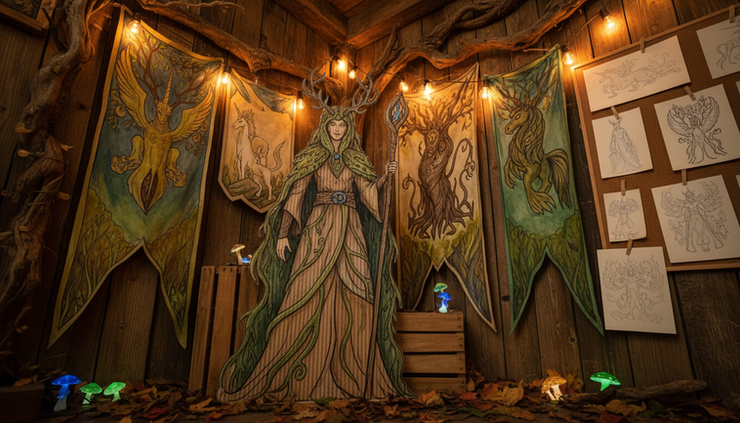
The Animix showcase positions Plot of the Druid where its strengths are easiest to notice: among people who care about drawing, timing, characters, and playful storytelling. For the game, that is a smart place to be seen.


Comments